Previously featured squadron
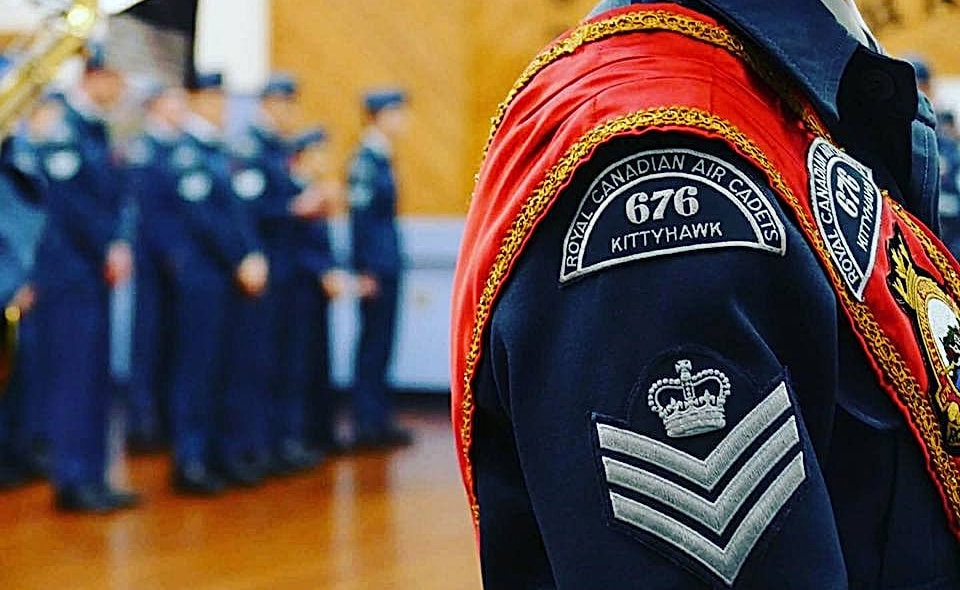
676 Kittyhawk Squadron
- Chartered
- July 3, 1958
- Status
- Active
- Community
- Sidney, BC
Squadron History
In 1938, the Department of Transport and Defence formed a committee to develop plans for an airport on the Brethour family farm near Sidney, BC. Construction began in the summer of 1939, and by early spring 1941, the runways were paved. The airport operated as a combined RCAF and RAF base under the British Commonwealth Air Training Plan.
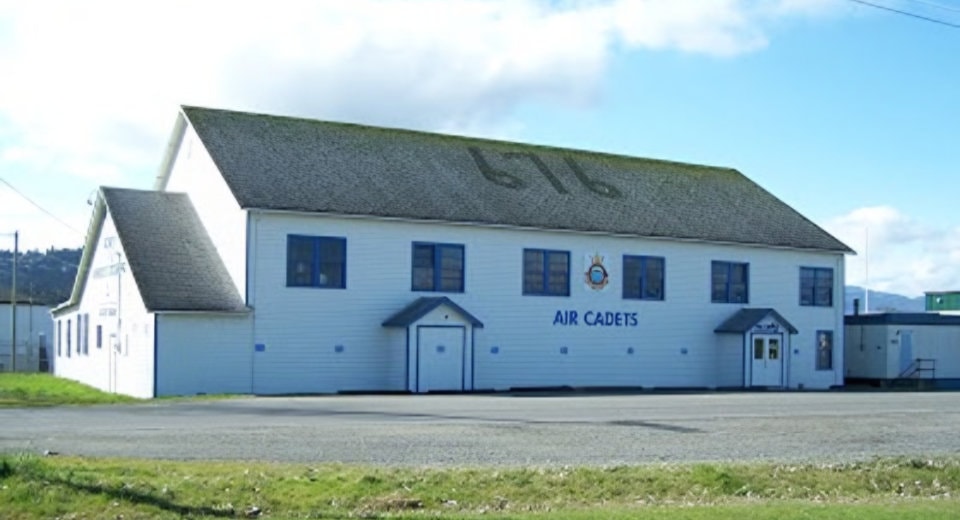
Building 51—still in use today as the Squadron’s headquarters—was constructed in 1941 as the Theatre and Recreation Centre for No. 32 Operational Training Unit of the Royal Canadian Air Force. Its current address is 1979 DeHavilland Way, named after the DeHavilland aircraft, which are now manufactured by Viking Air just a short two-minute walk from the cadet hall.
After the end of World War II in 1945, the building remained vacant for several years. In early 1950, it was used by the Army Militia and Army Cadets. By 1956, it was again vacant until 1958, when the Sydney Kinsmen Club acquired the building from the Department of National Defence for use by the Air Cadets.
With Flight Lieutenant J.R. Hannan as Commanding Officer and the Sydney Kinsmen Club serving as the Squadron Sponsoring Committee, the 676 Kinsmen Air Cadet Squadron was officially chartered on July 3, 1958. The Squadron initially consisted of 32 Cadets and seven officers and instructors.
The Kinsmen Club continued its sponsorship until 1982, when a Parent Sponsoring Committee assumed the role. The Kinsmen Club then transitioned to a Corporate Sponsor. In 1993, the Squadron Sponsoring Committee (SSC) became a registered non-profit charitable organization under the name 676 Kittyhawk Sponsoring Committee Society. This parent body now serves as the Squadron’s Board of Directors.
The SSC is the current titleholder to the 676 Squadron training facility. Having been constructed in 1941, it is a solid structure with a colourful history. It requires a significant injection of funds to keep the building bright, warm and safe for the Cadets. The SSC juggles a yearly operating budget that covers the cost of building maintenance, land lease, janitorial and garbage, administrative requirements and a variety of programs not funded by the Department of National Defence — including Familiarization Flying, Range Program, Biathlon, Military Band Program, and Orienteering.
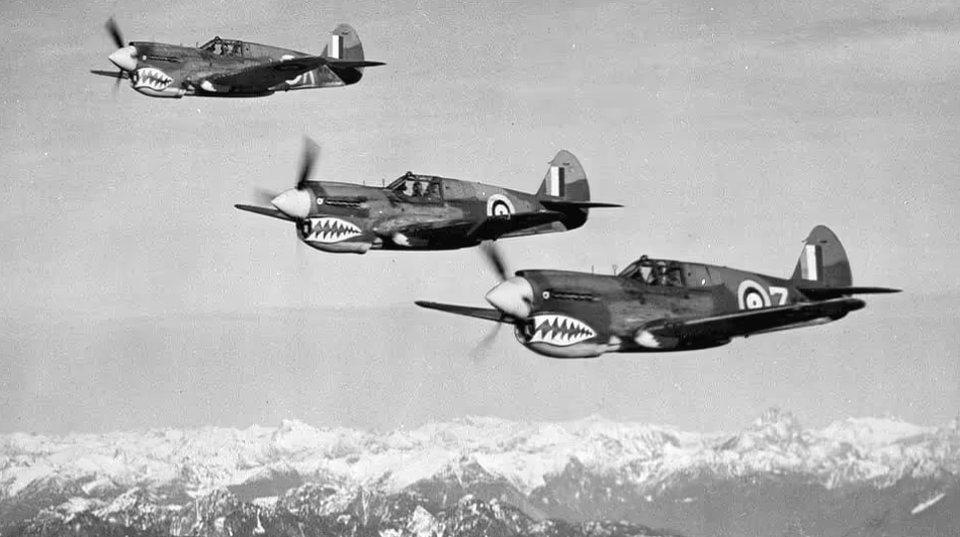
The name “Kittyhawk” was adopted in June 1982 in recognition of the iconic P-40 Kittyhawk fighter aircraft, which was flown during the Second World War from the Pat Bay Air Force Base in Sidney, BC. The aircraft served with the Royal Canadian Air Force from 1941 to 1946 and was deployed in Canada, Alaska, Europe, and North Africa. It was flown from Pat Bay by the 111, 132, 133, and 135 Fighter Squadrons.
Today, 676 Kittyhawk RCACS is part of Canada’s national youth development program for ages 12 to 18, with a strong emphasis on leadership, physical fitness, citizenship, community involvement, and aviation training—including both glider and powered flight.
Squadron Records
Past Commanding Officers
| 1958–1968 | Flight Lieutenant J.R. Hannan, CD |
| 1968–1973 | Captain D. Price |
| 1973–1978 | Major J. McLeod, CD |
| 1978–1980 | Captain K. Dorman |
| 1980–1983 | Major P. Perry, CD |
| 1983–1985 | Lieutenant Colonel R. Johnston, CD |
| 1985–1989 | Major J.W. Cumming, CD |
| 1989–1991 | Captain P. Cumming |
| 1991–1997 | Major W.A. Fullbrook, MB, CD |
| 1997–1998 | Captain K.S. Webster, CD |
| 1998–1999 | Major C. Riley |
| 2000–2002 | Major P. Reynolds |
| 2002–2003 | Captain M. Grant |
| 2003–2004 | Captain T. Nicol / Captain Steve Newlove |
| 2004–2007 | Captain S. Pinard |
| 2007–2009 | Captain James McFadyen |
| 2009–2010 | Captain S. Pinard |
| 2010–2013 | Captain B. Aumonier |
| 2013–2015 | Major A. Thompson |
| 2015–2019 | Captain M. Tellier |
| 2019–2023 | Captain Sean Kelly |
| 2023–Present | Captain Jean-Guy Mayer |